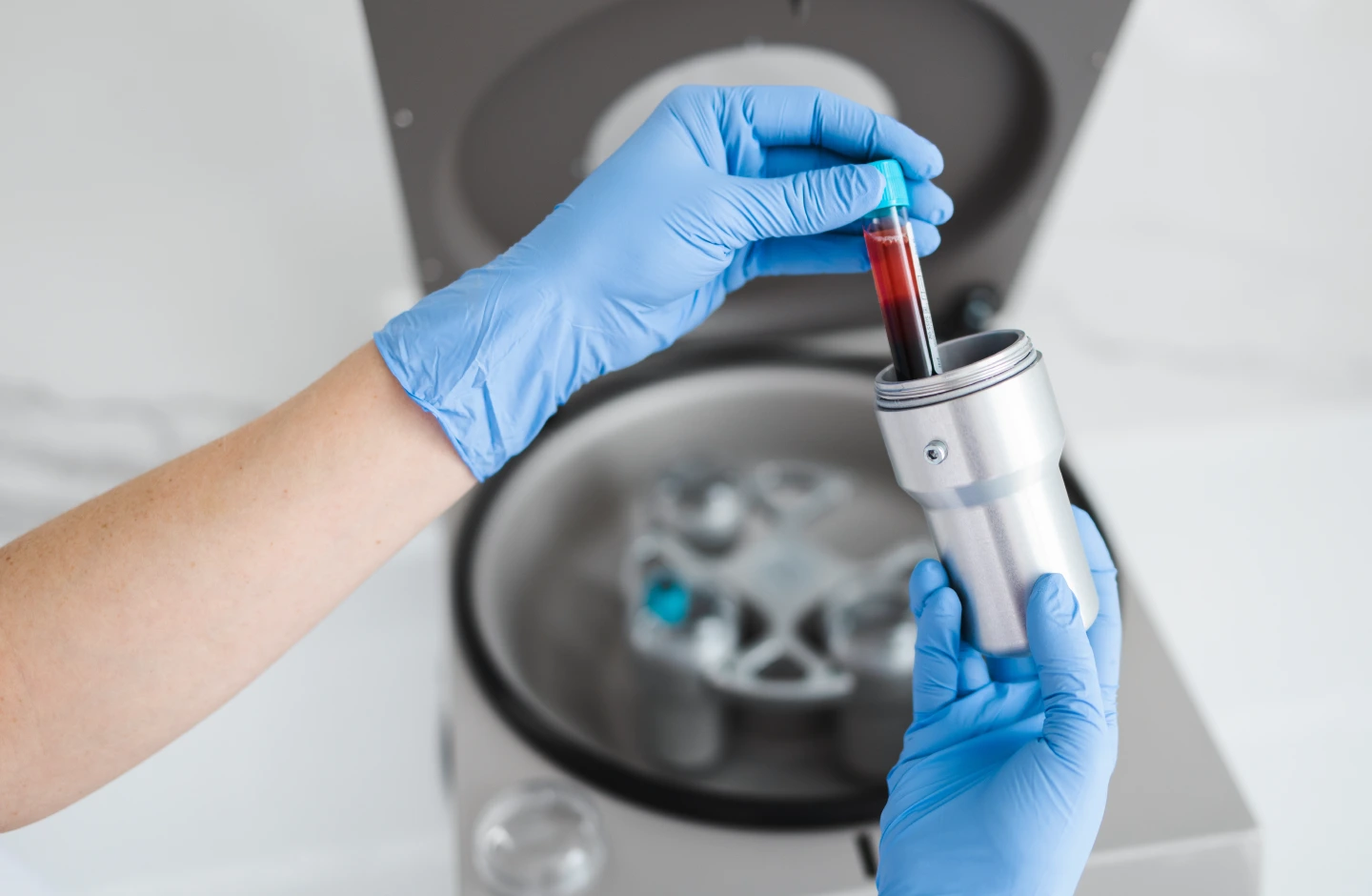
Platelet-Rich Plasma (PRP) uses a small sample of your own blood, gently spun to concentrate the healing platelets and growth factors your body already makes. When this concentrated plasma is injected into injured tissue, it signals your cells to repair, regenerate, and calm inflammation. In essence, PRP is your body’s own healing power, thoughtfully redirected to where you need it most.
Conditions That May Benefit from Platelet-Rich Plasma Injections
When you’re living with ongoing pain or a slow-healing injury, it’s natural to look for options that gently support your body’s own ability to repair itself. Platelet-rich plasma (PRP) injections are one such option. They use a concentrated form of your own blood platelets, which are rich in growth factors that may help support healing in damaged tissues.
While every person is different and results can vary, PRP is often considered for a range of musculoskeletal and soft-tissue conditions, such as:
• Mild to moderate knee osteoarthritis
• Tendon problems (like tennis elbow or golfer’s elbow)
• Chronic Achilles tendon pain
• Shoulder issues (such as rotator cuff or tendinitis)
• Plantar fasciitis (heel pain)
• Ligament sprains or partial tears
• Certain sports-related muscle injuries
• Hair thinning or early hair loss (in some settings)
• Some cosmetic or skin rejuvenation treatments
A careful conversation with a qualified healthcare professional can help you decide whether PRP injections might be a compassionate, appropriate part of your treatment plan.
What to Expect Before, During, and After a PRP Injection
Before your PRP injection procedure, you’ll have a gentle PRP consultation where your provider reviews your health, explains the step-by-step PRP treatment, and guides you in preparing for PRP therapy, including what to pause or avoid. During the visit, a simple blood draw for PRP is performed, the solution is prepared, and then carefully placed—often with ultrasound-guided injections—to help minimize pain during PRP injection and improve accuracy. Afterward, you’ll receive clear aftercare instructions, learn what to expect with PRP recovery time, and review common PRP side effects and safety so you can feel reassured and supported throughout healing.
Benefits of Platelet-Rich Plasma Injections for Chronic Pain Relief
Platelet-Rich Plasma (PRP) injections are increasingly used as a natural, regenerative option for chronic pain relief. Here are the key benefits, kept short and to the point:
• Targets the root cause of pain by promoting tissue healing, not just masking symptoms
• Uses your own blood components, reducing risk of allergic reactions or rejection
• Can improve joint function and mobility in conditions like osteoarthritis and tendon injuries
• May reduce dependence on pain medications, including NSAIDs and opioids
• Minimally invasive with relatively quick procedures and short recovery time
• Can help decrease inflammation in damaged tissues
• Potential to delay or avoid more invasive treatments such as surgery
• Suitable for a range of chronic pain conditions (tendons, ligaments, joints, some muscle injuries)
Comparing PRP to Other Chronic Pain Treatments
Compared to traditional chronic pain treatments like steroids, opioids, or surgery, PRP (platelet-rich plasma) therapy aims to heal tissue rather than just mask symptoms. While pain medications can offer quicker relief, they often carry side effects and don’t address the underlying cause. Physical therapy and lifestyle changes are essential but may not fully resolve persistent tendon or joint issues. PRP can be a valuable option when conservative treatments fail, offering a more regenerative, targeted approach to chronic pain.