
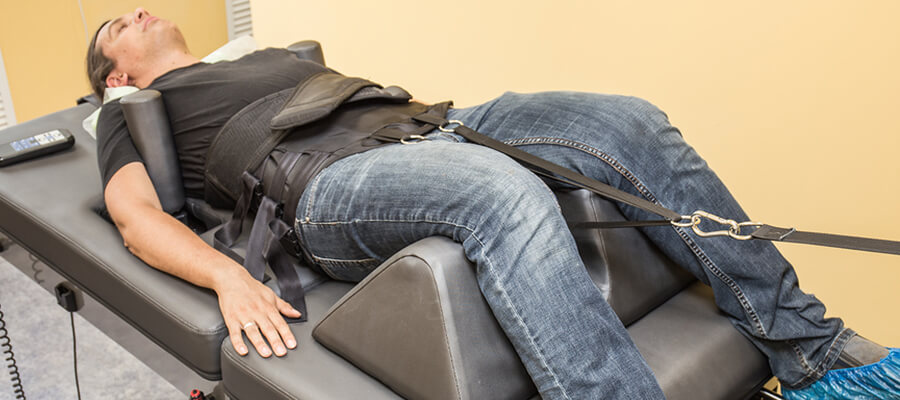
Spinal decompression is a non-surgical therapy that gently stretches the spine to relieve pressure on discs and nerves, often used for conditions like herniated discs and sciatica. By creating negative pressure within the discs, it can promote fluid exchange, reduce nerve compression, and support natural healing.
Common Spinal Problems Spinal Decompression Aims to Treat
• Herniated discs
• Bulging discs
• Degenerative disc disease
• Sciatica (nerve pain radiating down the leg)
• Spinal stenosis (narrowing of the spinal canal)
• Pinched spinal nerves
• Facet joint syndrome
• Chronic low back pain related to disc compression
• Neck pain associated with disc or nerve compression
Conditions Spinal Decompression Helps the Most (And When It May Not Work)
Spinal decompression can be very effective for many people with chronic back or neck pain, especially those with herniated or bulging discs, sciatica, degenerative disc disease, or spinal stenosis. In general, the best candidates for decompression are adults with persistent nerve-related pain (such as shooting leg pain, numbness, or tingling) who have tried conservative care like rest, medication, and physical therapy without lasting relief. If you’re wondering who is a candidate for spinal decompression, your provider will usually look for stable overall health, no major structural instability in the spine, and symptoms that clearly match disc or nerve compression patterns.
However, there are important situations when spinal decompression doesn’t work or should not be tried at all. These spinal decompression contraindications include severe osteoporosis, spinal fractures (recent or unstable), certain tumors or infections in the spine, and some types of spine surgery history—especially when hardware, fusions, or unstable segments are involved. Serious red flags for back pain, such as unexplained weight loss, fever, loss of bowel or bladder control, progressive weakness, or a history of cancer, must be evaluated urgently and usually rule out decompression until a clear diagnosis is made. A thorough exam and appropriate imaging help ensure treatment is both safe and likely to be effective.
Is Spinal Decompression Really Effective for “All” Spinal Problems?
Despite promising results for some patients, spinal decompression is not effective for all spinal problems. Evidence-based spinal decompression works best for specific conditions like certain disc herniations, nerve root irritation, and chronic low back pain—not severe instability, fractures, infections, or tumors. Clinical research on decompression shows mixed but encouraging results when patients are carefully selected and combined with exercise and lifestyle changes.
Understanding the limitations of spinal decompression helps set realistic expectations and avoid disappointment. Some situations still require surgery, especially when there is progressive weakness, loss of bowel or bladder control, or serious structural damage. The most effective approach is multidisciplinary spine care, where chiropractors, physical therapists, pain specialists, and surgeons collaborate. Spinal decompression should be one part of a comprehensive back pain treatment plan, not the only solution.