Living with ongoing pain can make even simple daily activities feel difficult. Whether it is heel pain after walking, shoulder discomfort, or a stubborn sports injury, finding effective relief can be challenging. Shockwave therapy is a non-invasive treatment that uses acoustic waves to support the body’s natural healing process.
But what conditions can shockwave therapy help treat? Let’s explore some of the common problems that may benefit from this modern therapy.
What Is Shockwave Therapy?
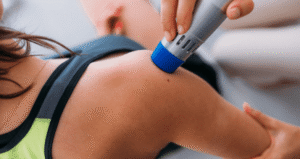
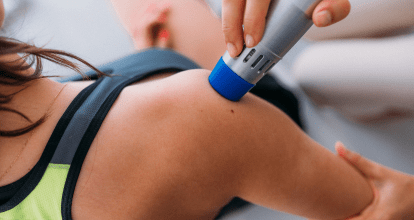
Shockwave therapy uses controlled acoustic waves that are directed toward a painful or injured area. These waves may help improve local blood flow, stimulate tissue repair, and support the body’s natural healing response.
Unlike surgery, shockwave therapy does not require incisions. It is also commonly used without medication, making it an option for people looking for a non-surgical approach to certain musculoskeletal problems.
1. Plantar Fasciitis and Heel Pain
Plantar fasciitis is one of the most common causes of heel pain. It occurs when the plantar fascia, a strong band of tissue supporting the foot, becomes irritated or overloaded.
Shockwave therapy may help reduce pain and encourage healing in the affected tissue, particularly when symptoms have continued despite rest, stretching, or other conservative treatments.
2. Tennis Elbow and Golfer’s Elbow
Pain around the elbow can occur from repetitive movements involving the wrist and forearm. Tennis elbow usually affects the outer elbow, while golfer’s elbow affects the inner side.
Shockwave therapy may support tissue healing and help relieve persistent discomfort, allowing patients to gradually return to their normal activities.
3. Shoulder Pain and Tendon Problems
Certain shoulder conditions, including some forms of tendinopathy and calcific tendon problems, can cause pain and restricted movement. Shockwave therapy may be used to stimulate the affected tissues and improve function as part of a broader treatment plan.
It may be especially useful when shoulder pain has become persistent and interferes with everyday activities.
4. Achilles Tendinopathy
The Achilles tendon connects the calf muscles to the heel. Repetitive stress from running, jumping, or other activities can lead to Achilles tendinopathy.
Shockwave therapy may help manage pain and support the healing process. Combining treatment with appropriate exercises and activity modification can be important for long-term recovery.
5. Sports and Overuse Injuries
Athletes and active individuals can develop tendon and soft-tissue injuries from repetitive movements or excessive training. Shockwave therapy may be considered for certain chronic or difficult-to-heal injuries involving tendons and other soft tissues.
The goal is not simply to mask pain but to support the body’s natural repair process.
6. Chronic Muscle and Soft-Tissue Pain
Persistent muscle tightness and certain painful soft-tissue conditions may also respond to shockwave therapy. By targeting specific painful areas, treatment may help reduce discomfort and improve mobility.
However, the appropriate treatment depends on the underlying cause of pain.
Is Shockwave Therapy Right for You?
Shockwave therapy can be a useful non-surgical option for several musculoskeletal conditions, but it is not suitable for every type of pain or every patient. A proper evaluation can help determine whether it is appropriate for your condition.
Move Beyond Persistent Pain
If pain is limiting your movement, exercise, or daily life, you do not always have to simply live with it. Shockwave therapy may offer a modern, non-invasive approach to managing certain chronic tendon, muscle, and soft-tissue conditions.
Speak with a qualified healthcare professional to find out whether shockwave therapy is right for you.